Features
5kW Integrated Energy Storage Design
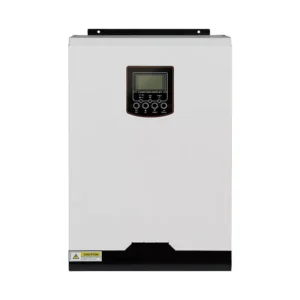
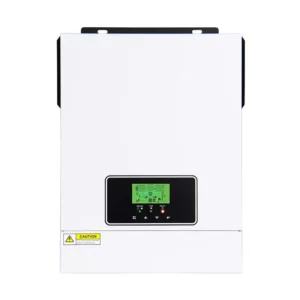
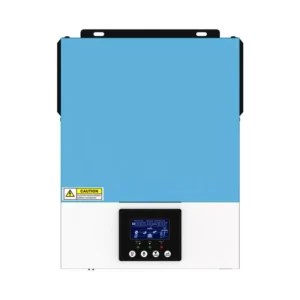
Combines a 5kW pure sine wave inverter with stacked lithium battery modules, providing solar power conversion, battery storage, AC charging, and backup power in one system.
5.12–25.6kWh Scalable Battery Capacity
The system supports 1 to 5 battery modules, offering total capacity options of 5.12kWh, 10.24kWh, 15.36kWh, 20.48kWh, and 25.6kWh.
5.12kWh Single Battery Module
Each battery module provides 5.12kWh capacity, making it easy to expand the system according to backup time and energy storage requirements.
LiFePO4 Battery Technology
Uses LFP / LiFePO4 battery chemistry, offering good safety, stability, cycle performance, and suitability for residential and light commercial energy storage systems.
51.2V Battery System
The stacked battery system uses 51.2V standard voltage with a working voltage range of 43.2–57.6V, supporting stable energy storage and discharge performance.
Pure Sine Wave AC Output
Pure sine wave output provides stable and clean AC power for household appliances, office equipment, routers, computers, lighting, refrigerators, and selected essential loads.
5kW Rated Output Power
The system provides 5000VA / 5000W rated output power, suitable for residential backup power and small energy storage applications.
10,000VA Peak Power
Peak power up to 10,000VA helps support short-term startup demand from selected appliances and motor loads.
On-Load Motor Capacity
Supports motor loads up to 4HP, depending on actual operating conditions and load characteristics.
High PV Input Capacity
Supports up to 5200W maximum PV input power, helping improve solar energy utilization for daily power supply and battery charging.
Wide MPPT Voltage Range
The MPPT voltage range of 120–500VDC allows flexible PV string design for different solar panel configurations.
500VDC Maximum PV Open-Circuit Voltage
Maximum PV open-circuit voltage is 500VDC, supporting high-voltage PV array input within the system limit.
80A PV Charging Current
Maximum PV charging current reaches 80A, helping charge the battery system efficiently when solar power is available.
AC Charging Support
Supports AC mains charging with up to 60A maximum charging current, allowing battery charging from grid or generator power.
Wide AC Input Range
Supports UPS mains mode: 170–280VAC ±2% and APL generator mode: 90–280VAC ±2%, improving adaptability to different utility or generator conditions.
50Hz / 60Hz Automatic Detection
Automatically detects 50Hz or 60Hz, making it suitable for different regional power systems.
Fast Transfer Time
Typical transfer time between bypass and inverter is 10ms, supporting reliable backup power for many household and office loads.
High Charging Efficiency
Mains charging efficiency is above 95%, helping improve overall energy performance during AC charging.
High Conversion Efficiency
Maximum inverter efficiency is above 90%, supporting efficient daily operation.
Communication Interfaces
Supports CAN, RS485, and RS232 communication, with optional WiFi or Bluetooth for convenient monitoring and system integration.
Stacked Installation
The stacked structure saves installation space and allows clean, modular system expansion without complex cabinet design.
IP20 Indoor Protection
IP20 enclosure protection is suitable for indoor installation environments such as utility rooms, garages, equipment rooms, and protected indoor spaces.
Low No-Load Loss
No-load loss can be reduced to ≤25W in energy-saving mode, helping improve standby energy efficiency.
Specifications
| MODEL | LP-5.12KWH | LP-10.24KWH | LP-15.36KWH | LP-20.48KWH | LP-25.6KWH |
| 5kw+5.12kwh | 5kw+10.24kwh | 5kw+15.36kwh | 5kw+20.48kwh | 5kw+25.6kwh | |
| STACKED LITHIUM BATTERY | |||||
| Single Module Capacity | 5.12kwh | ||||
| Module Number | 1pcs | 2pcs | 3pcs | 4pcs | 5pcs |
| Total Capacity | 5.12kwh | 10.24kwh | 15.36kwh | 20.48kwh | 25.6kwh |
| Standard Voltage | 51.2V | ||||
| Working Voltage | 43.2V-57.6V | ||||
| Standard Discharge Current | 100A | 200A | 300A | 400A | 500A |
| Standard Charge Current | 50A | 100A | 150A | 200A | 250A |
| Suggested DOD | 80% | ||||
| Humidity | 20%-60% | ||||
| Installation | Stacked | ||||
| Enclosure Protection | IP20 | ||||
| Communication | CAN/RS485/RS232 (WiFi or Bluetooth Optional) | ||||
| Product Size Per Unit | 620*550*480mm | 620*550*760mm | 620*550*1040mm | 620*550*1320mm | 620*550*1600mm |
| Net Weight Per Unit | 50kg | 80kg | 120kg | 150kg | 190kg |
| BATTERY INPUT | |||||
| Battery Type | LFP | ||||
| Rated Battery Input Voltage | 48V (Minimum Startup Voltage 44v) | ||||
| Maximum Charge | 80A | ||||
| Battery Voltage Range | 40Vdc-60Vdc±0.6Vdc (Under Voltage Warning/Shutdown Voltage/Over Voltage Warning/Over Voltage Recovery) | ||||
| SOLAR INPUT | |||||
| Maximum PV Open-circuit Voltage | 500Vdc | ||||
| PV Working Voltage Range | 120-500Vdc | ||||
| MPPT Voltage Range | 120-500Vdc | ||||
| Maximum PV Input Current | 18A | ||||
| Maximum PV input Power | 5200W | ||||
| Maximum PV Charging Current | 80A | ||||
| AC INPUT | |||||
| Mains Maximum Charging Current | 60A | ||||
| Rated Input Voltage | 220/230Vac | ||||
| Input Voltage Range | UPS Mains Mode: (170Vac-280Vac) ± 2%; APL Generator Mode: (90Vac-280Vac) ± 2% | ||||
| Frequency | 50Hz/60Hz (Automatic Detection) | ||||
| Mains Charging Efficiency | >95% | ||||
| Switch Time (bypass and inverter) | 10ms (Typical Value) | ||||
| Maximum Bypass Overload Current | 40A | ||||
| AC OUTPUT | |||||
| Output Voltage Waveform | Pure Sine Wave | ||||
| Rated Output Voltage(Vac) | 230Vac (200/208/220/240Vac) | ||||
| Rated Output Power(VA) | 5000 (4350/4500/4800/5000) | ||||
| Rated Output Power(W) | 5000 (4350/4500/4800/5000) | ||||
| Peak Power | 10000VA | ||||
| On-load Motor Capacity | 4HP | ||||
| Output Frequency Range | 50Hz±0.3Hz/60Hz±0.3Hz | ||||
| Maximum Efficiency | >90% | ||||
| No-load Loss (Manual Setup) | Non Energy-saving Mode: ≤50W; Energy-saving Mode: ≤25W | ||||
Applications
Residential Solar Energy Storage
Suitable for home solar systems, daily solar energy storage, and self-consumption applications.
Home Backup Power
Provides backup power for selected household loads such as lighting, routers, refrigerators, computers, TVs, fans, and small appliances.
Villas and Apartments
A practical energy storage solution for villas, apartments, and residential buildings requiring solar storage and backup power.
Small Office Backup Power
Supports small offices, workstations, network devices, routers, computers, printers, and essential office electronics.
Shops and Small Businesses
Suitable for shops, service counters, small retail stores, and business locations requiring reliable backup power.
Off-Grid and Rural Power Systems
Can be used in rural homes, farms, cabins, and remote sites where grid power is unavailable or unstable.
Hybrid Solar Power Systems
Works with solar panels, batteries, and AC input to improve energy availability and reduce dependence on unstable utility power.
Communication and Monitoring Equipment
Provides backup power for routers, communication equipment, surveillance systems, monitoring devices, and selected remote-site loads.
Emergency Backup Power
Supports essential loads during power interruptions, helping maintain basic electricity supply for homes and small facilities.
Frequently Asked Questions
What is this stacked lithium battery energy storage system used for?
It is used for solar energy storage, home backup power, off-grid power, hybrid solar systems, and small commercial backup power applications.
What battery capacity options are available?
The system supports 5.12kWh, 10.24kWh, 15.36kWh, 20.48kWh, and 25.6kWh configurations.
How many battery modules can be stacked?
The system supports 1 to 5 battery modules, with each module providing 5.12kWh capacity.
What battery type does this system use?
It uses LiFePO4 / LFP lithium battery technology, which is commonly used in energy storage systems because of its safety, stability, and long service potential.
What is the rated output power?
The system provides 5000W rated output power.
What is the peak output power?
The peak output power is 10,000VA, suitable for short-term surge demand from selected loads.
What is the maximum solar input power?
The maximum PV input power is 5200W.
What is the MPPT voltage range?
The MPPT voltage range is 120–500VDC.
What is the maximum PV charging current?
The maximum PV charging current is 80A.
Can this system charge from AC mains or generator?
Yes. It supports AC input charging with up to 60A maximum charging current. The APL generator mode supports a wider AC input range of 90–280VAC ±2%.
What output voltage does the system provide?
The rated AC output voltage is 230VAC, with selectable output options of 200 / 208 / 220 / 240VAC.
Does it provide pure sine wave output?
Yes. The system provides pure sine wave output, suitable for many household appliances, office equipment, routers, computers, and sensitive electronics.
What communication interfaces are available?
The system supports CAN, RS485, and RS232, with optional WiFi or Bluetooth communication.
Is this system suitable for outdoor installation?
The enclosure protection is IP20, so it is mainly suitable for indoor or protected installation environments.
What information is needed to choose the right configuration?
To recommend the right configuration, the following information is usually required: total load power, appliance list, required backup time, solar panel capacity, installation location, grid or generator availability, communication requirements, and whether future battery expansion is needed.